

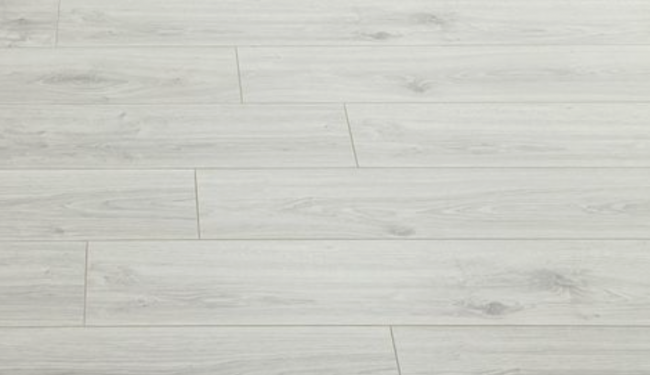
What is Laminate?
Laminate is a composite material consisting of four layers: the attached backing, a base layer (usually plywood or fibreboard), an image layer, and a wear-resistant surface. This synthetic product often includes materials like melamine resin and fibreboards, designed for both durability and aesthetics.
The wear layer provides surface protection but is typically very thin. The image layer is designed to mimic attractive patterns such as authentic wood, stone, or other decorative styles. Laminate types vary based on the quality of materials used, which affects their cost and performance.
Pricing depends on the laminate's durability classification (measured as AC ratings):
- AC-3: Budget-friendly and suitable for light domestic use.
- AC-4: Mid-range, ideal for medium to high domestic traffic areas.
- AC-5: Premium laminate designed for heavy traffic and commercial use.
Additionally, specific options include water-resistant laminate and heavy-traffic variants, which offer enhanced durability.
Laminate Floorboards
Laminate floorboards are typically 3 to 6 inches wide and 6 to 14 mm thick. Regardless of the type, the standardised sizes simplify ordering and repair processes. Laminate floorboards feature an integrated click-and-lock system, which simplifies the laminate fitting process.
This system ensures precise alignment and a snug fit between the boards, making it ideal for DIY enthusiasts.
What is Required for Laminate Installation?
One of the biggest advantages of laminate installation is its minimal tool requirements. Typically, once an underlay is placed, all that is needed is a tool to cut the boards to size when necessary.
However, prior experience is highly recommended as correct placement requires knowledge of the methodology. In some cases, applying glue between the planks may be necessary to enhance stability.
Note: Laminate is highly sensitive to uneven or rough subfloor surfaces. A flat, clean, and level subfloor is essential for a successful laminate fitting.
Laminate Fitting Methods
Laminate fitting is known for its simplicity, making it a popular choice for DIY installation. The most common method is the floating technique, where the boards are laid over an underlayment and secured using a click-and-lock system.
Important steps include:
- Leaving a small gap between the floorboards and the walls to allow for natural expansion.
- Removing skirting boards before installation and reattaching them once the fitting is complete.
Following these guidelines ensures a professional-looking finish and prevents issues such as warping or buckling.
Laminate Lifespan
The lifespan of laminate flooring depends on its quality, maintenance, and the level of traffic in the space. Premium laminate (AC-5) can last 5-10 years, while lower-cost options (AC-3) may require replacement within 2-3 years.
Laminate Maintenance and Repairs
Laminate is easy to maintain, requiring only basic cleaning tools like a mop or broom. However, it’s essential to promptly remove abrasive debris such as sand to prevent surface scratches.
Repairs typically involve replacing individual damaged boards or sections, as sanding and refinishing are not viable options for laminate flooring.
Where is Laminate Suitable?
Laminate flooring is ideal for residential and office spaces with solid subfloors, such as concrete. For specific rooms:
- Bathrooms and Kitchens: Opt for water-resistant laminate to handle moisture.
- Hallways and Living Rooms: Choose AC-4 or AC-5 for durability under high traffic.
- Bedrooms and Children’s Rooms: AC-3 is a budget-friendly option suitable for lower traffic.
Although laminate is versatile, choosing the right type ensures better longevity and performance.
Laminate Cost-Efficiency
Laminate is an affordable flooring option compared to alternatives like hardwood or tiles. However, it requires a perfectly level subfloor. If the subfloor needs significant preparation, hiring a professional may increase the overall cost.
While laminate cannot be refinished, its low upfront cost makes it a practical choice for those on a budget or looking for a temporary solution.
Overall, laminate flooring provides an economical, stylish, and easy-to-install option for a wide range of applications.