

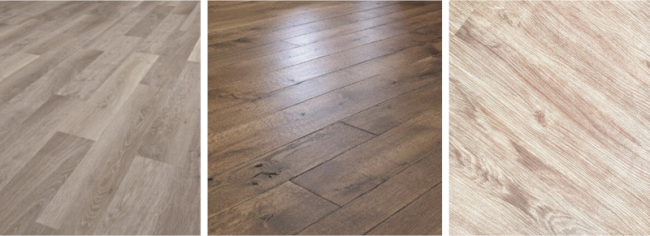
What Are Floor Installation Services?
The floor installation services you may require depend on several factors, including the location where the new flooring will be laid. These locations may include walls, kitchen countertops, decking, rooms, hallways, offices, and public spaces.
Each location may require different additional services to ensure a flawless and effective installation.
The following services apply to most locations:
- Floor installation and fitting;
- Subfloor preparation, including underlayment;
- Refinishing (if necessary);
Additional services tailored to specific properties include:
- Walls – leveling the wall, installing lights, home decoration, and painting;
- Kitchen countertops – cutting edges and creating space for appliances such as ovens and sinks;
- Outdoor areas – a more complex process, considering various factors to determine the most appropriate solutions;
- Rooms – subfloor preparation for pipes and cables;
- Hallways – using heavy-duty materials to better seal the surface for high-traffic areas;
- Offices – protecting surfaces from office chairs and high-traffic zones;
- Public spaces – noise insulation, skirting installation, and enhanced protection for high-use areas, with additional sealing for minor scratches;
Main Floor Installation Services
The primary floor installation service involves the proper laying and fitting of floorboards according to specific patterns and the flooring type. The process varies depending on the floorboard material, as each type requires its own methodology and tools.
Floor installation services can be categorised by the type of floorboards, such as:
- Laminate;
- Hardwood;
- Engineered wood;
- Parquet;
Outdoor floor installation generally refers to:
- Decking;
Additional Floor Installation Services:
Subfloor Preparation (Leveling)
Subfloor preparation is a crucial step in ensuring a successful floor installation. It involves preparing the surface below the new floorboards and ensuring it is smooth and even.
Typically, subfloor preparation includes the following tasks:
- Repairing or replacing internet or electricity cables;
- Addressing heating or gas pipes;
- Installing insulation for heat protection;
- Soundproofing using a membrane;
- Leveling the surface, whether it's wood or concrete;
For wooden subfloors, it may be necessary to create a suitable structure with hardwood to ensure proper leveling and sufficient space, thus maintaining the condition of the premises. Proper subfloor preparation also protects against issues like wind, dust, noise, dirt, and pests.
Floorboard Refinishing
Refinishing is the final step in the floor installation process. It involves a range of procedures, from varnishing to sanding and gap filling before sealing. During this stage, it’s also possible to change the colour of the wood if desired.
Refinishing is typically needed in two scenarios:
- The floorboards were purchased unfinished;
- The property owner wants to change the appearance of the flooring.
This process requires a professional due to its precision. Sanding, in particular, involves expert machinery and tools to smooth the surface gently. It may also require a dustless or low-noise solution.
Once sanding is complete, finishing can be done using oils, lacquers, or wax, depending on your preference. Brands like Osmo and Bona offer a variety of options for different needs and budgets.
If you purchased unfinished flooring, discussing refinishing options with your floor fitter is a great idea. They can help you choose the best solution and brand for your budget and requirements.
Note: If the floorboards are unfinished, refinishing is not mandatory, but it can significantly improve the floor’s durability and appearance, ensuring it remains in excellent condition for a longer time.