

What is Parquet?
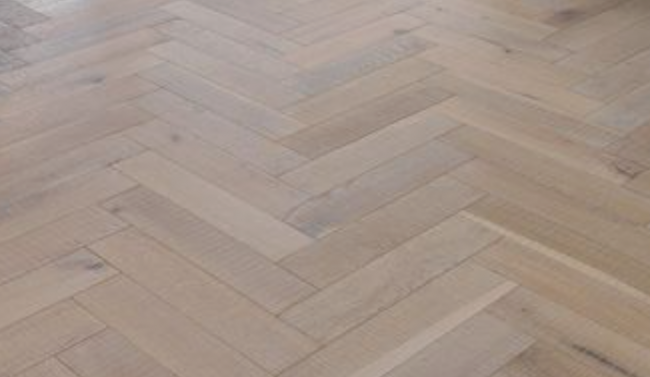
Parquet flooring, also known for its popular herringbone design, is a type of real wood flooring, typically solid or engineered wood. It has been a preferred choice for centuries due to its elegance and timeless appeal.
The distinctiveness of parquet lies in its geometric patterns and its precise fitting to the floor, walls, and panels. The wood is arranged in specific patterns, carefully designed to achieve the desired effect, making it more than just a type of wood floor—it's a method of installation that requires specialized floorboards.
Parquet Floorboards
Parquet panels come in various sizes, such as 490mm (length) / 70mm (width), 600mm/90mm, and 1200mm/150mm, each with different thicknesses. Thicker panels generally indicate higher quality.
The four main types of parquet floorboards are:
- Square – Ideal for complex patterns;
- Classic – Rectangular panels;
- Beveled Panels – Chevron-style flooring;
- Wide Planks – Similar to hardwood flooring.
There are also variations in the manufacturing methods:
- Prefabricated – Between 0.7mm and 2.5mm thickness;
- Solid Wood – Ranging from 8mm to over 13mm thickness;
- Snip Floor Planks – Used for intricate patterns.
Common wood types include oak, walnut, cherry, pine, maple, bamboo, and more.
Parquet Lifecycle
Once expertly installed with refinishing, your parquet floor can last up to 10 years without major repairs. If the floorboards are finish-ready, you may expect repairs in about 5-6 years.
However, factors such as floor maintenance, humidity levels, and how well the floor is cared for will impact its lifespan. For example, nails used in the fitting may eventually need replacing, and the adhesive may also degrade over time, both of which are vital for the longevity of parquet flooring.
Parquet Maintenance and Repairs
Parquet flooring is known for its durability, especially when well-maintained. Regular cleaning and quality refinishing can prolong its lifespan and make it resistant to minor issues. Over time, you may encounter gaps, creaking, or warping—these can often be addressed depending on the method of fitting.
Common parquet repairs include:
- Reclaiming – Replacing entire floorboards;
- Sanding – Refinishing the surface to restore its colour and texture;
- Scratch and Damage Removal – Addressing surface-level wear;
- Full Renovation – Comprehensive restoration of the floor.
Parquet: Ideal for Specific Premises
Parquet is a prestigious flooring choice that adds elegance, warmth, and style to your space. It’s particularly suitable for:
- Living rooms;
- Bedrooms;
- Hallways;
- Public spaces such as music halls and theatres.
However, it’s not recommended for high-moisture areas like kitchens and bathrooms due to the risk of water damage, which could make maintenance more costly.
With proper finishing, parquet flooring is durable enough to withstand heavy foot traffic, making it a great option for many environments.
Parquet Installation Methods
Parquet installation is one of the most effective flooring methods, as the fitting ensures that the floorboards are tightly bonded. There are three primary methods of parquet fitting:
- Nailing – The oldest method, now mainly used for restoration purposes;
- Glue-Down – A popular method, especially in London, where the floorboards are adhered directly to a flat surface, often with added sound insulation;
- Floating Parquet – This method uses grooves and pegs to secure the floorboards, allowing the wood to move with temperature changes and providing soundproofing benefits.
For properties with underfloor heating, engineered wood is recommended, along with a specific type of glue to accommodate the heat changes.
The installation technique will depend on the chosen pattern style and the current condition of the subfloor. A perfectly flat surface is essential to avoid future issues like creaking. It's important to consider all the necessary elements before choosing parquet for your home.
Common subfloor types include:
- Concrete;
- Self-leveling compound (most popular);
- Plywood or chipboard;
- Dry screed.
Parquet installation usually begins from the centre of the room to balance the light distribution and the pattern of the floor. This process requires professional tools and considerable expertise to avoid future problems.
Parquet Cost Efficiency
While parquet flooring is not the cheapest option, the benefits far outweigh the initial cost. Materials, adhesives, subfloor preparation, and expert parquet installation services can make it more expensive than other flooring types. However, its durability, sound insulation, and aesthetic appeal provide excellent value over time.
Ultimately, parquet is a versatile flooring solution that suits various needs, depending on your preferences and requirements.